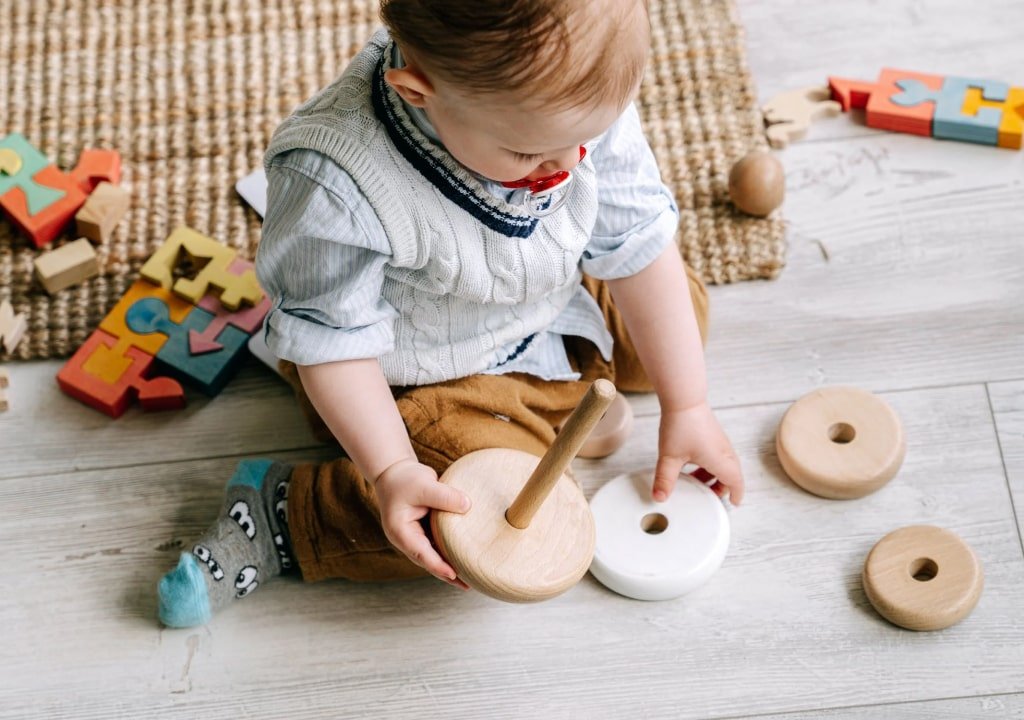
Pacifiers can be a helpful comfort tool for many babies during the early months and beyond. Some babies naturally enjoy sucking for comfort, while others may not show much interest at all. Since there are many shapes, materials, and sizes available, choosing the right pacifier can sometimes feel confusing for parents. Understanding what to look for can help parents make safer and more comfortable choices for their little ones.
Why Do Babies Use Pacifiers?
Sucking is a natural reflex that begins before birth. For many babies, pacifiers can provide: Comfort, Soothing during fussiness, Relaxation before sleep, Temporary calming during travel or appointments
Some babies use pacifiers frequently, while others may reject them completely. Both are normal.
Choosing the Correct Size
Pacifiers are usually designed according to age ranges because babies’ mouths and oral development change as they grow. Using the correct size helps improve: Comfort, Safety, Proper fit
Parents should regularly check whether the pacifier still matches their baby’s age and developmental stage.
Understanding Pacifier Shapes
Different pacifier shapes may suit different babies.
Rounded (Cherry-Shaped): These have a more traditional rounded nipple shape.
Orthodontic Pacifiers: Designed with a flatter shape intended to support more natural oral positioning.
Symmetrical Designs: Can be placed in either direction, which some parents find more convenient.
Some babies strongly prefer one shape over another, so trying a small variety may help.
Silicone vs Latex
Pacifiers are commonly made from silicone or latex.
Silicone Pacifiers: Firm and durable, Easy to clean, Often transparent, Commonly preferred for longer-lasting use
Latex Pacifiers: Softer and more flexible, May wear out faster, Some babies prefer the softer texture
Parents should inspect pacifiers regularly for signs of wear or damage.
When Should Parents Introduce a Pacifier?
For breastfeeding babies, some healthcare professionals recommend waiting until feeding is well established before introducing a pacifier. However, feeding situations vary between families, and parents should follow guidance appropriate for their baby’s needs.
Can Pacifiers Affect Teeth?
Long-term pacifier use during toddler years may eventually affect dental development if continued for extended periods. Most concerns are related to: Prolonged use, Frequent daytime use in older toddlers
For infants and younger babies, pacifier use is generally considered normal and common.
Cleaning and Hygiene
Pacifiers should be cleaned often, especially during infancy.
Parents Should
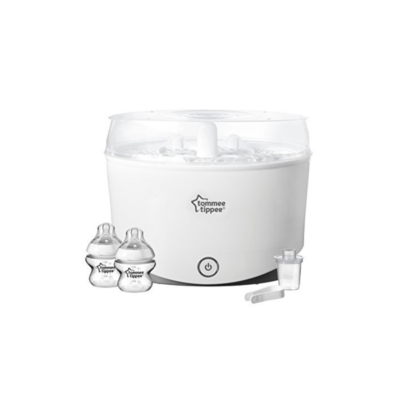
- Sterilize pacifiers regularly for younger babies
- Wash with safe cleaning methods
- Store them in clean containers when outside the home
- Replace damaged pacifiers immediately
Avoid dipping pacifiers in sugary substances such as honey or syrup.