Education

Common Newborn Sleep Myths Parents Should Stop Believing

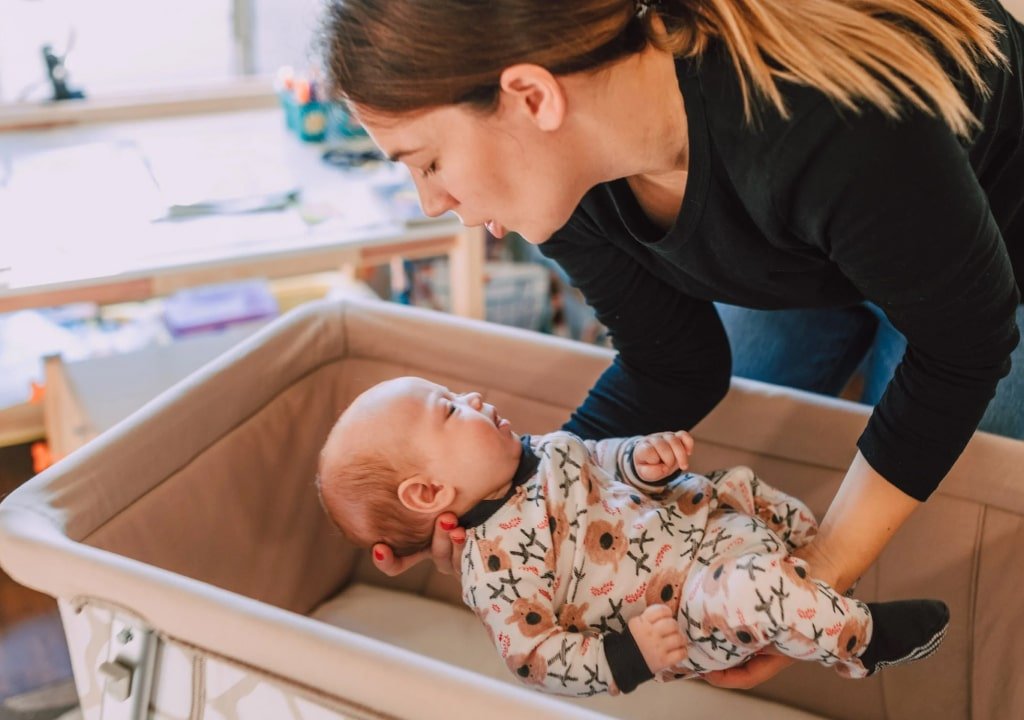
Newborn sleep is one of the most discussed — and often misunderstood — parts of early parenthood. Many parents receive endless advice from family, friends, and social media, but not all of it is accurate.

Understanding what is normal for newborn sleep can help reduce stress and unrealistic expectations during those early months.


Myth 1: “Babies Should Sleep Through the Night Early”

Newborns naturally wake frequently. In the early months, babies wake for: Feeding, Comfort, Diaper changes, Developmental needs Frequent waking is biologically normal, especially for young infants. Expecting uninterrupted sleep too early can create unnecessary pressure for parents.

Myth 2: “Keeping Babies Awake Longer Helps Them Sleep Better”

Many parents assume that tiring babies out will improve nighttime sleep. In reality, overtired babies often become: Fussier, Harder to settle, More restless during sleep. Paying attention to sleep cues and age-appropriate wake windows is usually more effective.

Myth 3: “Every Baby Should Follow the Same Schedule”

Every baby has different: Sleep needs, Temperament, Feeding patterns, Developmental rhythms

Comparing babies to strict schedules online can leave parents feeling discouraged. Flexibility is often necessary, especially during the newborn stage.

Myth 4: “Contact Naps Create Bad Habits”

Many newborns naturally prefer sleeping close to caregivers. During early infancy, contact naps are very common and often provide comfort and security. As babies grow and develop, sleep habits continue to evolve naturally over time.

Myth 5: “Formula-Fed Babies Always Sleep Better”

Sleep patterns depend on many factors beyond feeding type. Some breastfed babies sleep longer stretches, while some formula-fed babies still wake frequently. Feeding method alone does not determine sleep quality.

Myth 6: “Babies Need Complete Silence to Sleep”

While calm environments can help, many babies are able to sleep with normal household sounds nearby. In fact, newborns are used to constant sound from the womb environment before birth. Parents often do not need to tiptoe around sleeping babies constantly.

Myth 7: “Good Parents Always Have Good Sleepers”

Baby sleep is influenced by: Development, Growth spurts, Temperament, Illness, Teething, Sleep regressions

Sleep challenges are not a sign of poor parenting. Many healthy babies go through periods of difficult sleep.

Safe Sleep Still Matters

Despite changing advice online, safe sleep recommendations remain important. Parents should:

  • Place babies on their backs to sleep
  • Use a firm mattress
  • Avoid loose bedding
  • Keep the sleep space clear
  • Avoid overheating

Safe sleep practices help reduce unnecessary risks during infancy.

MamaCare Tips

  • Focus on your baby’s needs rather than comparison
  • Sleep patterns change constantly during infancy
  • Consistency helps, but flexibility is normal
  • Rest whenever possible during the newborn stage
  • It is okay to ask for support when sleep feels overwhelming

اترك تعليقاً

Your email address will not be published. Required fields are marked *