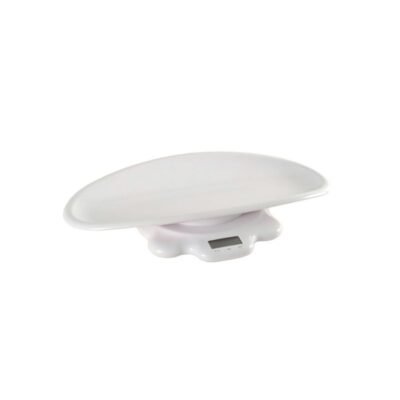
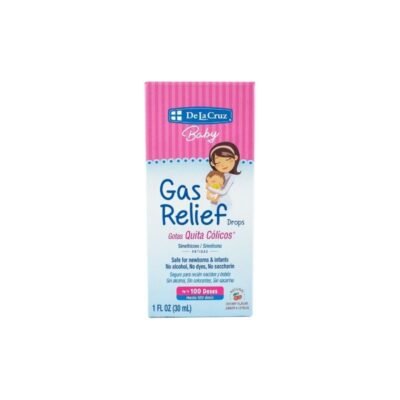
Always Dose According to Weight
One of the most important safety steps is giving the correct dose.
Children’s medications are usually dosed based on:
Weight, Age, Medication concentration
Using too much medication can be dangerous, while too little may not be effective.
Important Tips
- Use the measuring syringe or cup provided
- Never estimate doses using kitchen spoons
- Double-check the medication concentration
- Follow the recommended timing between doses
If you are unsure about the correct dose, contact your pediatrician or pharmacist before giving the medication.
Pain Relief and Fever: What Parents Should Know
Fever itself is not always dangerous. In many cases, fever is the body’s natural response to infection.
Pain relief medications may help if your child:
Seems uncomfortable, Is not drinking well, Has difficulty sleeping, Appears irritable or distressed
A child with a mild fever who is otherwise active and hydrated may not always need medication immediately.
Teething and Pain Relief
Teething can cause discomfort, irritability, drooling, and gum sensitivity in some babies.
Before using medication, parents can try:
Chilled teething toys, Gentle gum massage, Extra comfort and hydration
If discomfort is significant, pediatric pain relief may sometimes be appropriate according to medical advice. Avoid applying unapproved numbing gels inside the mouth unless specifically recommended by a healthcare professional.
Important Safety Precautions
- Avoid Combining Medications Without Guidance
- Some parents alternate medications to manage fever, but this should only be done carefully and with proper instructions to avoid dosing mistakes.
- Check Ingredients Carefully
- Cold and flu medications may already contain pain-relieving ingredients, which can accidentally lead to double dosing.
- Store Medications Safely
When to Seek Medical Attention
Parents should contact a doctor if:
- A baby under 3 months develops a fever
- The child has difficulty breathing
- Fever lasts longer than expected
- The child becomes unusually sleepy or difficult to wake
- There are signs of dehydration
- Pain seems severe or persistent
- A rash appears with fever
- Parents feel concerned about the child’s condition
Trusting parental instincts is important. If something feels unusual, it is always okay to seek medical advice.
MamaCare Tips
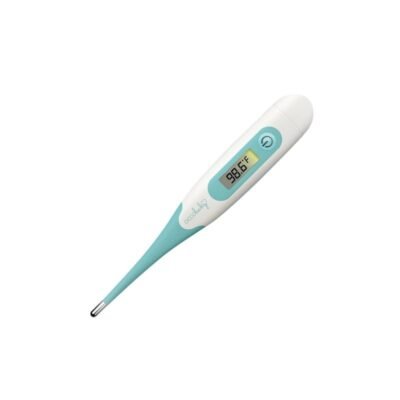
- Keep a digital thermometer at home
- Write down medication times to avoid accidental repeat doses
- Always check expiry dates before use
- Keep your child hydrated during illness
- Comfort, rest, and fluids are often just as important as medication