A consistent bedtime routine can help babies feel calm, secure, and ready for sleep. While every baby is different, predictable nighttime habits often make bedtime smoother and may support better sleep patterns over time.
For many parents, bedtime can feel overwhelming during the early months. The good news is that simple routines are usually the most effective.
Why Bedtime Routines Matter
Babies thrive on consistency. Repeating calming activities each evening helps signal that it is time to rest.
A bedtime routine may help:
- Create a sense of security
- Reduce overstimulation before sleep
- Support emotional comfort
- Encourage smoother sleep transitions
- Help parents establish structure
Even newborns can begin recognizing familiar nighttime patterns.
Keep the Routine Simple
A bedtime routine does not need to be complicated or lengthy.
For younger babies, even 15–30 minutes of calming activities can be enough.
A Simple Routine Might Include
- A warm bath
- Changing into pajamas or a sleeping bag
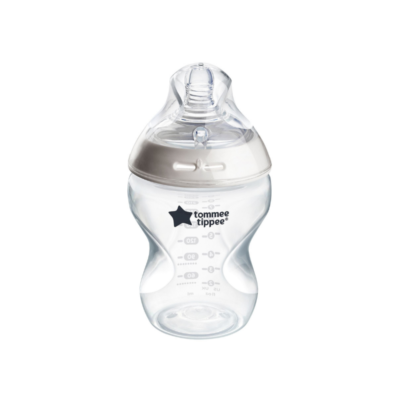
- Feeding
- Gentle rocking or cuddling
- Quiet singing or reading
- Dim lighting
Consistency matters more than perfection.
Create a Calm Sleep Environment
The sleeping environment plays an important role in helping babies settle comfortably.
Helpful Sleep Environment Tips
- Keep lights dim during nighttime
- Reduce loud noises and stimulation
- Maintain a comfortable room temperature
- Use breathable sleepwear
- Avoid overcrowding the crib
Safe sleep recommendations should always be followed, including placing babies on their backs to sleep on a firm mattress without loose bedding.
Watch for Sleep Cues
Putting babies to sleep before they become overtired can make bedtime easier.
Common Sleep Cues Include
- Rubbing eyes
- Yawning
- Fussiness
- Looking away
- Reduced activity
Overtired babies may actually become harder to settle.
Limit Stimulation Before Bed
Bright lights, loud sounds, and active play right before bedtime can make it harder for babies to relax.
During the hour before sleep:
- Lower household noise when possible
- Avoid overstimulating activities
- Keep interactions calm and soothing
This helps babies transition more comfortably toward sleep.
Feeding and Bedtime
For many babies, feeding is naturally part of the bedtime routine.
However, as babies grow older, some parents gradually separate feeding from falling fully asleep to encourage independent sleep habits. Every family approaches this differently, and flexibility is normal.
Be Patient With Changes
Sleep patterns change frequently during infancy due to:
- Growth spurts
- Teething
- Developmental milestones
- Illness
- Sleep regressions
Even well-established routines may occasionally become disrupted. This is completely normal.
MamaCare Tips:
- Start bedtime routines at approximately the same time each night
- Keep nighttime interactions calm and quiet
- Avoid comparing your baby’s sleep to others
- Focus on progress, not perfection
- Consistency over time usually matters most