Baby skin is soft, delicate, and much more sensitive than adult skin. Because of this, rashes are extremely common during infancy and early childhood. While many rashes are harmless and improve with simple care, some may need medical attention. Understanding the difference can help parents feel more confident and know when to seek help.

Why Do Babies Get Rashes So Easily?
A baby’s skin barrier is still developing, making it more sensitive to:
- Heat and sweat
- Moisture from diapers
- Friction
- Saliva and food irritation
- Allergens and irritants
- Viral infections
1. Diaper Rash
Diaper rash is one of the most common skin conditions in babies. It usually appears as redness or irritation around the diaper area.
Common Causes
- Wet or dirty diapers staying on too long
- Friction from tight diapers
- Sensitive skin
- Diarrhea
- Antibiotics
- Yeast infections
How to Treat It
- Change diapers frequently
- Let the skin air dry when possible
- Use fragrance-free wipes or warm water
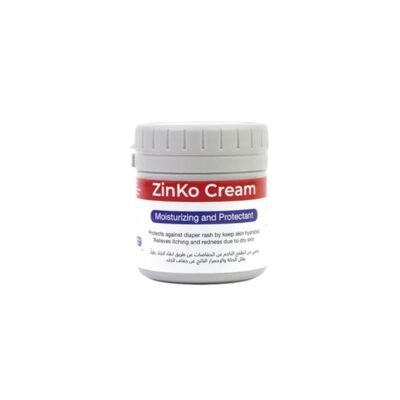
- Apply a thick barrier cream containing zinc oxide
- Avoid tight-fitting diapers temporarily
When to See a Doctor
If the rash becomes very bright red, develops bumps, spreads, or does not improve within a few days, it may be a yeast infection that requires medical treatment.
2. Heat Rash (Prickly Heat)
Heat rash happens when sweat gets trapped under the skin. It is especially common during hot weather or when babies are overdressed.
Symptoms
- Tiny red or pink bumps
- appears on the neck, chest, back, or skin folds
- Mild itching or discomfort
How to Treat It
- Keep your baby cool
- Dress them in lightweight cotton clothing
- Avoid overheating
- Keep the skin dry
Heat rash usually clears on its own within a few days.
3. Eczema (Atopic Dermatitis)
Eczema causes dry, itchy, inflamed patches of skin. It often appears on the cheeks, arms, legs, or behind the knees.
Triggers May Include
- Dry skin
- Harsh soaps
- Fragrances
- Heat
- Allergies
- Family history of eczema or asthma
How to Manage It
- Moisturize several times daily using fragrance-free creams
- Use gentle baby cleansers
- Avoid heavily scented products
- Dress your baby in soft cotton fabrics
- Keep nails short to reduce scratching
Some babies may need medicated creams prescribed by a pediatrician.
4. Cradle Cap
Cradle cap appears as yellowish, greasy, flaky patches on the scalp. It is common in newborns and usually harmless.
How to Treat It
- Wash the scalp gently with baby shampoo
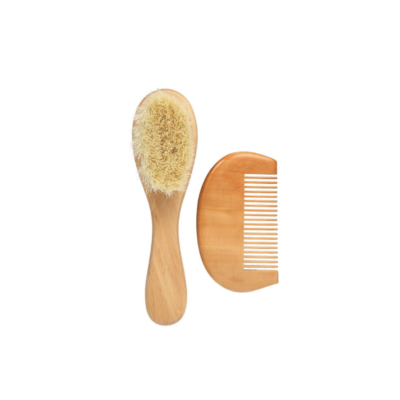
- Use a soft baby brush to loosen flakes
- Avoid picking at the scales
Most cases improve gradually over time.
5. Drool Rash
Drool rash often develops around the mouth, chin, cheeks, or neck due to constant moisture from saliva.
How to Treat It
- Keep the area dry
- Gently pat, not rub, the skin
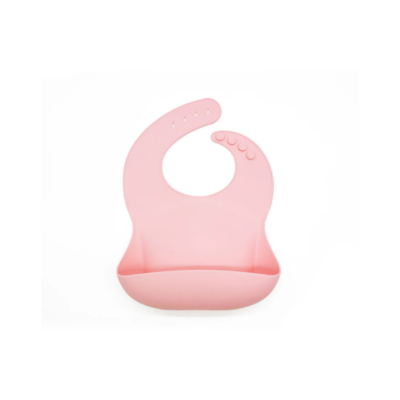
- Use a soft bib and change it often
- Apply a protective barrier ointment if needed
This rash is especially common during teething.