Choosing Baby Bottles
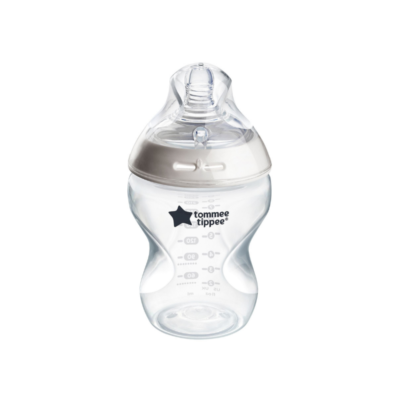
There is no single “perfect” bottle for every baby. Some babies adapt easily to most bottles, while others may prefer specific nipple shapes or flow speeds. What to Look For
- Easy-to-clean design
- Appropriate nipple flow for age
- Comfortable grip
- Anti-colic features if needed
It may help to start with a few bottles instead of buying large quantities immediately.
Understanding Nipple Flow Sizes
Bottle nipples come in different flow rates designed for different stages of development. A nipple that flows too quickly may cause:
Choking, Coughing, Gulping, Increased gas
A nipple that flows too slowly may frustrate babies during feeds. Watching feeding behavior can help parents determine whether adjustments are needed.
Sterilizing Feeding Equipment
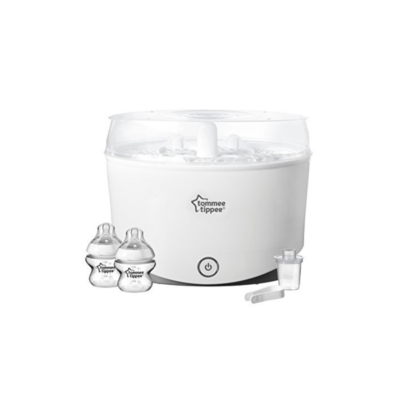
Newborn immune systems are still developing, so proper cleaning is important. Parents commonly sterilize:
Bottles, Nipples, Breast pump parts, Pacifiers
Sterilization methods may include:
Steam sterilizers, Boiling water, Microwave sterilizers
Always follow manufacturer instructions for cleaning and sterilizing products safely.
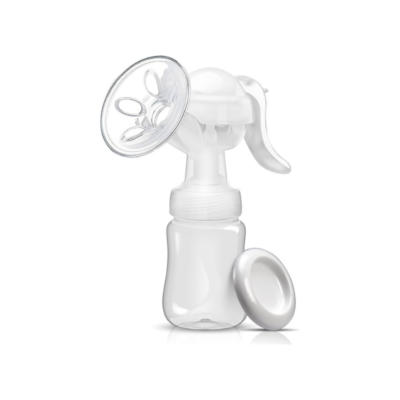
Breastfeeding Essentials
Breastfeeding parents may benefit from:
Nursing bras, Breast pads, Nipple cream, Breast pump, Milk storage bags, Comfortable feeding pillows
Not every parent needs every item immediately, and needs may change over time.
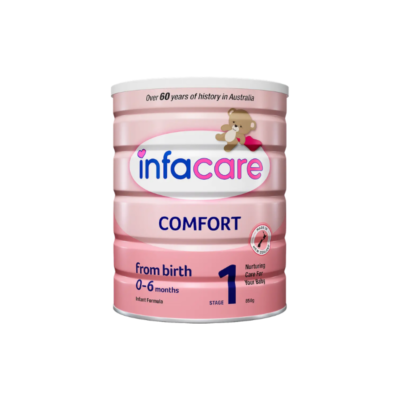
Formula Feeding Essentials
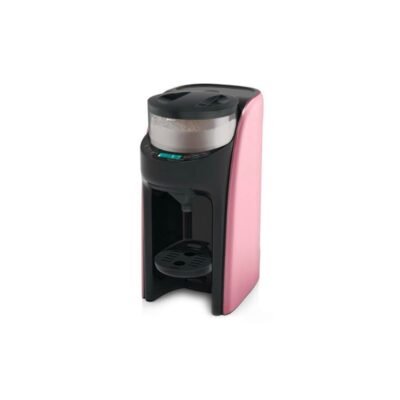
Formula-feeding families may consider:
- Formula storage containers
- Bottle warmers
- Portable feeding supplies for travel
- Extra bottle nipples
Preparing bottles safely and following storage instructions is especially important.
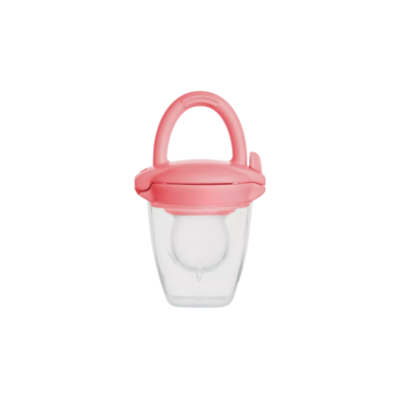
Introducing Solids
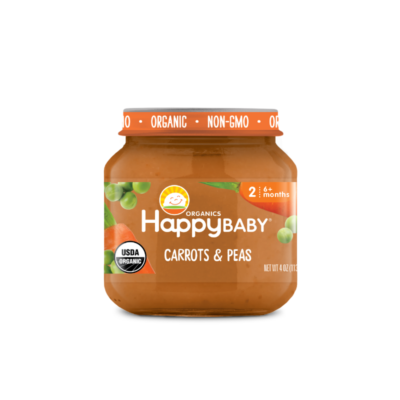
As babies grow, feeding needs begin to change. Starting solids often introduces new essentials such as:
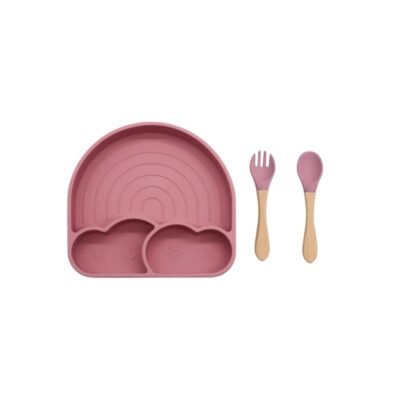
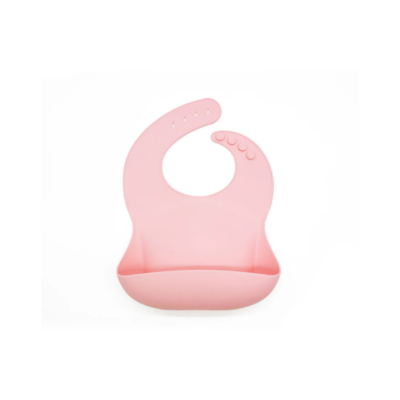
- Silicone bibs
- Suction bowls and plates
- Baby spoons
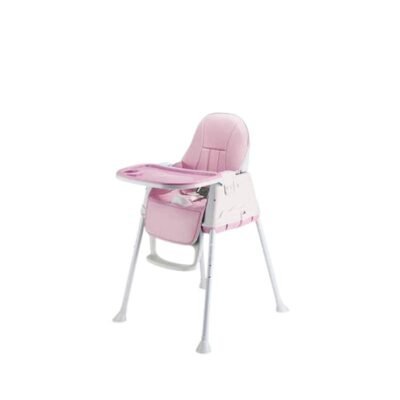
- High chairs
- Snack containers
Simple and easy-to-clean products are often the most practical choice.
MamaCare Tips
- Avoid buying too many feeding products before understanding your baby’s preferences
- Prioritize safety and easy cleaning over trends
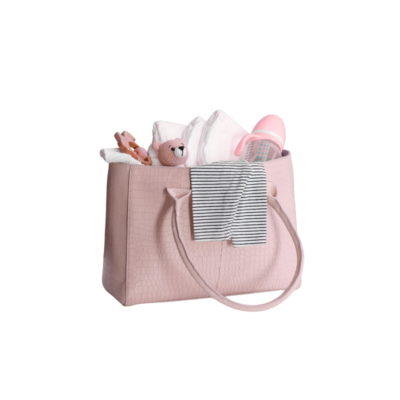
- Keep backup feeding supplies in your diaper bag
- Wash feeding items thoroughly after every use
- Every baby’s feeding journey is different, and flexibility is normal